
George Michael Dolenz Jr. was born on March 8, 1945, in Los Angeles, which means he predates the transistor radio, the British Invasion, and most of the songs he would later play for a living. You may know him as the last surviving Monkee. For our purposes he is something rarer: a man who spent sixty years on stages and soundstages, then finally got the job he wanted at twelve—standing behind a microphone, picking the next track, and talking to strangers who called in before breakfast. Pun intended: he did not monkey around with morning drive; he just happened to have a television credit that made the phones ring.
Dolenz calls himself a “major geek” about broadcast gear—a phrase he used to the New York Times in 2005 while learning the WCBS-FM board in Studio B. The origin story is better than the punchline. At twelve he soldered a Heathkit transmitter in the garage and broadcast weather and traffic reports to his mother in the kitchen. Ever since, he has said, he fantasized about his own radio show. The Monkees eventually gave him hit records and a syndicated gag about hijacking a station; WCBS-FM finally gave him the keys without tying anyone up.
Where he actually DJ’d (and what spun)
Dolenz’s documented on-air home was WCBS-FM 101.1 in New York: weekday morning drive, 6:00 to 10:00 a.m., Monday through Friday. He guest-hosted a trial shift on October 7, 2004; station management liked the phone traffic enough to hire him permanently, debuting January 10, 2005. That is not a club residency. It is the cathedral of American oldies radio—a format built on Brill Building pop, Motown, early rock and roll, and the kind of Top 40 memory lane that made Cousin Brucie a household saint.
His musical brief, in other words, was curation with a pulse: familiar hits for commuters who still hum in falsetto, deep cuts for listeners who correct you on the flip side, and enough personality to keep a four-hour block from sounding like a playlist in hospice. Dolenz arrived as a singer who had already lived inside those records—not as a scratch DJ, but as a host who understood why a bridge on a Ronettes single matters at 7:12 a.m. on the Van Wyck.
Station vice president Chad Brown told trade press that after the October audition “the phones never stopped ringing” and people were “still reminiscing about him days later.” Dolenz, in his hiring statement, called the gig “a dream come true” and “a thrill beyond words” to join CBS-FM and Infinity Broadcasting. He was fresh off playing Zoser in Aida on Broadway; the booth was the day job he had been rehearsing since ham-radio puberty.
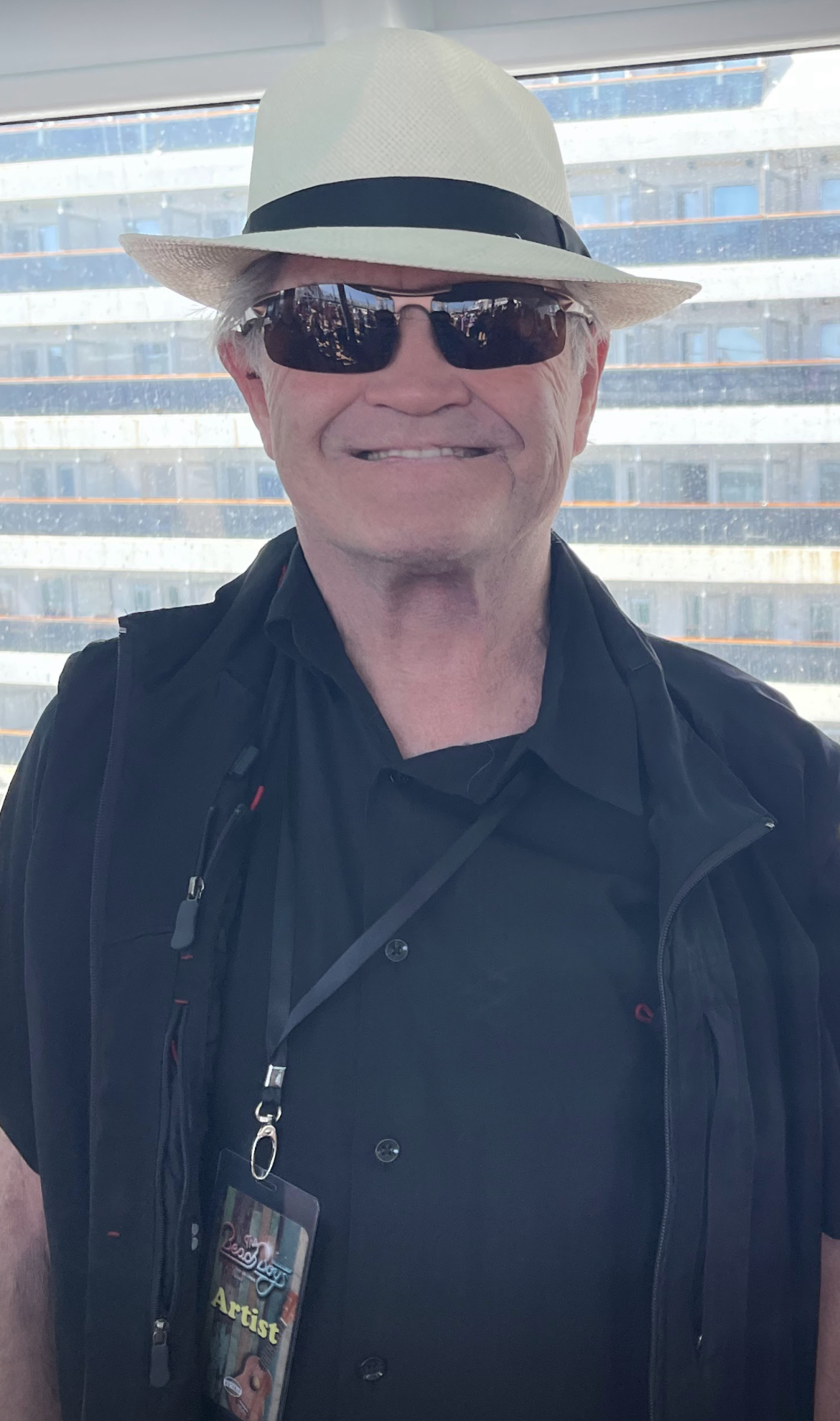
Morning-drive style: entertainer first, mixer second
Club DJs are judged on transitions; morning DJs are judged on whether anyone forgives you for existing before coffee. Dolenz’s skill set skewed toward the second category. He is a born talker—quick, self-deprecating, happy to play the aging pop star who still thinks audio engineering is wizardry. The Times watched him push buttons “with impunity” and noted the through-line from the Monkees episode where the band takes over a radio station. Life imitates sitcom, except the FCC paperwork is real.
What he played fit the station’s identity: golden oldies and classic hits, not EDM drops. Think Beatles, Supremes, Four Seasons, and the Monkees themselves when irony and ratings aligned. His own musical history is pop-rock and psychedelic pop; behind the mic that translates into storytelling about sessions, tours, and the weird sociology of fame—anecdotes that make a Donovan deep cut feel like gossip, not homework.
He is not known for beat-matching in the Berghain sense. He is known for making a heritage format feel alive, which in 2005 was harder than it sounds. Oldies stations were already aging with their audience; hiring a Monkee was both stunt casting and sincere fit: a performer who loves the canon, speaks its language, and will sing on request if you dare call in.
The hundredth show that was also the last
On June 3, 2005, Dolenz celebrated his 100th broadcast with a live morning show from B.B. King’s Blues Club off Times Square—confetti, fans, the whole victory-lap aesthetic. That afternoon, at 5:00 p.m., WCBS-FM killed the format anyway. After Frank Sinatra’s “Summer Wind” faded out, a voice announced, “Why don’t we play what we want?” and the station flipped to Jack FM—eclectic hits, no DJs, first song the Beastie Boys’ “Fight for Your Right.” Dolenz’s milestone became a wake for a New York institution. Infinity made the same move in Chicago the same day. Youth, research decks, and the algorithm won; the human host lost.
WCBS-FM eventually crawled back to oldies in July 2007, with Dan Taylor reclaiming mornings. Dolenz got a consolation prize with historical weight: on February 3, 2008, he returned to guest-host a three-hour “New York Radio Greats” special on a Sunday evening—his long-postponed 101st show, finally on the air. If you are counting, that is two digits of tenure and a lifetime of unfinished business with the dial.
Satellite and Sunday Beatles: guest selector, not resident
Dolenz never became a full-time SiriusXM host in the way of a channel anchor. He has been a prized guest: on Tom Petty’s “Tom Talks to Cool People” (Tom Petty Radio) in 2016, trading stories about the Monkees’ fiftieth anniversary and solo work; on Kurt Loder’s “True Stories” on VOLUME, recounting the chaotic moment the band realized they were famous. Those appearances are DJ-adjacent in the modern sense—curated narrative plus records—without a weekly slot and a channel logo.
In September 2026 he turned up at 95.5 KLOS in Burbank for the twenty-fifth anniversary of Chris Carter’s “Breakfast With the Beatles”—America’s longest-running Beatles radio show, born from deejay Deirdre O’Donoghue’s legacy and sustained as a Sunday-morning deep dive into Fab Four hits, rarities, solo cuts, and guest tales. Dolenz, eighty-one, hat and yellow-tinted glasses, joined Carter in the eighth-floor studio before heading out on his “60 Years of The Monkees” tour. He told reporters the TV show was “about a band that wanted to be The Beatles” and never quite made it on screen—then described seeing the Beatles on a stolen TV at Bob’s Big Boy and, a few years later, hanging at Abbey Road during Sgt. Pepper sessions. That is not a club set list; it is a master class in how Beatles radio should sound: personal, archival, and slightly insufferable in the best way.
What he says versus what purists hear
Dolenz’s own quotes frame radio as destiny deferred: Heathkit at twelve, fantasy fulfilled at fifty-nine on CBS-FM. He does not claim to be a turntable athlete. He claims to love the medium—the intimacy, the request line, the shared joke at dawn. Critics of celebrity DJs would say he is a mascot; fans of heritage radio would say he is proof that a great morning show is theater with a playlist.
Both can be true. He is not Redfoo with an iPad; he is not a vinyl purist playing only Nigerian funk B-sides. He sits in the American tradition of personality jocks who happen to have platinum on the wall—the DJ as neighbor who knows where the hook starts.
Gossip, novelty, and why non-politics people should care
The juicy bits are almost all radio-shaped. There is the ham-radio kid who became a pop star and then went back to the garage, spiritually. There is the cruel Jack FM punchline—celebrating show 100 and losing the format hours later. There is the 101st show that took nearly three years to air. There is Dolenz at KLOS in 2026, still willing to talk John Lennon stories on someone else’s Beatles clock while packing for another Monkees victory lap.
He owns one of the early commercial Moog synthesizers and put it on a Monkees track before most rock bands knew what modular meant; that is musician geekery, but it matters to how he hears records: arrangement-first, production-aware, not just chorus-first. He has directed British television, judged talent, survived every reunion wave, and still lights up when the topic is a fader.
Scoreboard
Primary booth: WCBS-FM morning drive, New York (2005).
Signature stunt: 100th show live from B.B. King’s; format died same day.
Encore: Guest host, “New York Radio Greats,” February 2008.
Satellite: Guest spots on Tom Petty Radio and VOLUME.
Beatles adjacency: KLOS “Breakfast With the Beatles” anniversary guest, 2026.
Sound: Classic hits and oldies; storyteller, not scratch wizard.
Self-image: Major geek with a childhood transmitter and a lifelong itch for the on-air light.
If you want a DJ profile that begins with BPM and ends with bottle service, keep scrolling. If you want the guy who broadcast weather to his mom, became the voice on a hundred million singles, and finally got paid to pick the next song for New York commuters—only to watch the station fire every DJ that afternoon—Micky Dolenz is your cautionary fairy tale. The Monkees made him famous. Radio was the job he asked for first. The dial just took its sweet time answering.