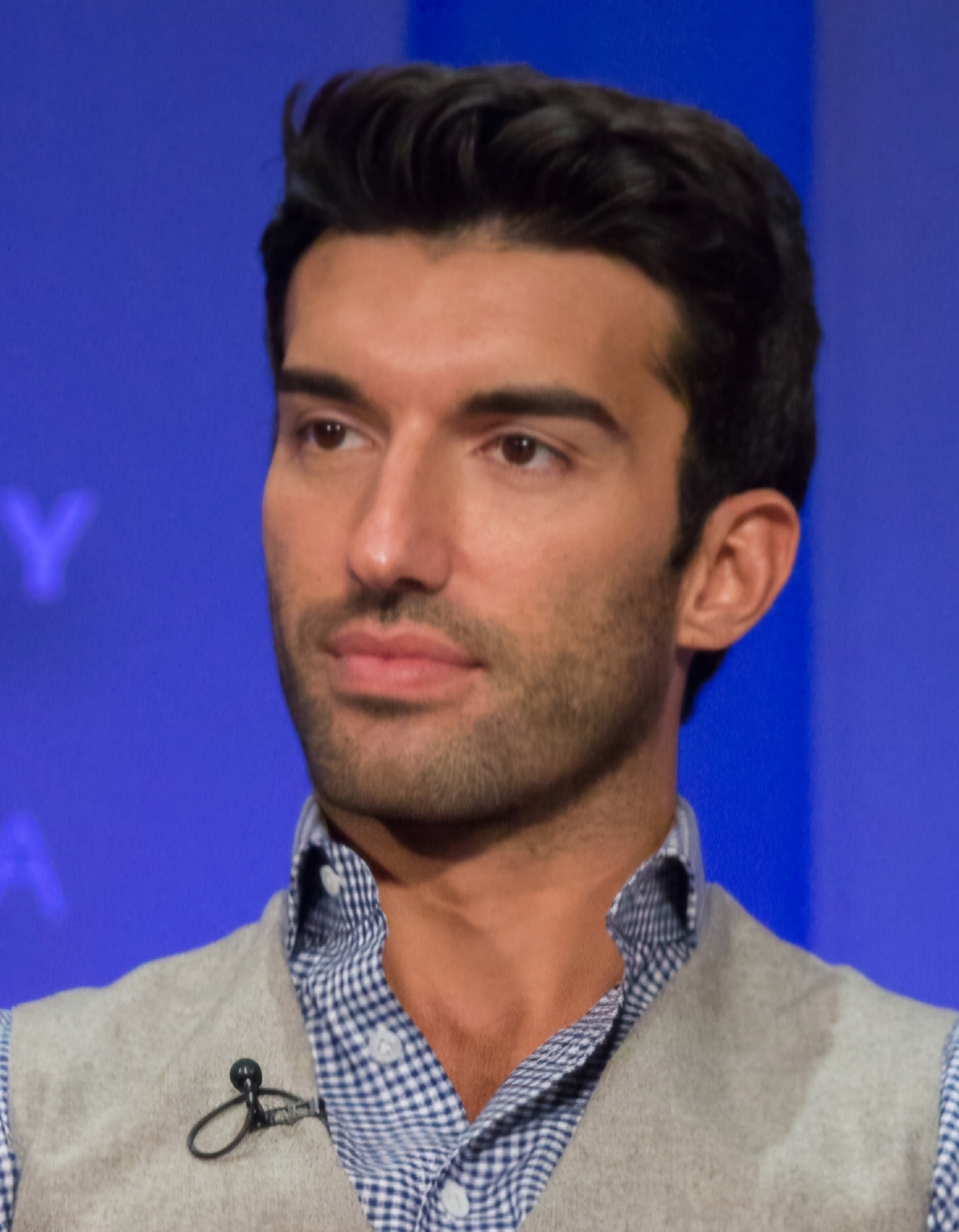
Justin Louis Baldoni was born on January 24, 1984, in Los Angeles and raised in Medford, Oregon, which is geographically proof that a person can start in Hollywood’s delivery room and still learn crowd control in a strip-mall radio studio. You know him as Rafael Solano, as the director who turned a Colleen Hoover novel into a box-office thunderstorm, and lately as the man whose Instagram apologies get more press than his call times. For a DJ profile, ignore the tabloid weather. Follow the signal chain: top-40 transmitter in the Rogue Valley, then decades of programming other people’s feelings on screen, on pavement, and at the end of a charity day when the subs finally wake up.
He is not hiding in the booth at Berghain. He never was. His DJ career is the honest kind—high school FM, community dance floors, and the stubborn belief that if you pick the right song at the right hour, strangers might feel human again.
Kiss-FM and the Arbitron of adolescence
At South Medford High, between soccer and track (and the hamstring betrayal that ended the pro-athlete fantasy), Baldoni worked as a disc jockey on local top-40 radio—Medford–Ashland’s Kiss-FM on 107.5 (KIFS), the kind of station that measures success in prom dedications and whether the night jock remembered to back-sell the contest sponsor. Interviews he gave years later describe the gig as training in emcee work, audience engagement, and thinking on your feet when the cart machine ate a Britney intro.
That is booth culture in miniature. No underground cred, no vinyl sermon. Just hits, clocks, and a teenager learning that silence on air is scarier than silence on a film set. TV Guide’s old bio still lists “former DJ” in the same breath as “doesn’t drink”—which is either discipline or the world’s least rock-and-roll rider. Either way, he learned to talk over music before he learned to cry on cue.
From playlist to picture: music video brain
When acting finally stuck—soap operas, Everwood, the usual humiliation ladder—Baldoni did not abandon the DJ muscle memory. He directed music videos and a 2010 web series, The Walk to Fame, built around Jason Derulo. The through-line is selection: whose tempo matches whose story, when to cut wide, when to let the hook breathe. A club DJ does that with BPM; Baldoni did it with lenses and a pop star who needed a narrative excuse to take his shirt off.
His first music video as writer-producer-director won an Audience Choice Award at Dawn Breakers International Film Festival in 2008. Critics of his later studio films sometimes forget he started in short-form rhythm. The DJ profile version: he was always curating drops, just swapping sub-bass for three-act structure.
Clouds, concerts, and the director as emotional selector
Clouds (2020) is not a DJ documentary, but it is a masterclass in programming grief. Baldoni directed the life and death of musician Zach Sobiech; the film lives or dies on song placement the way a wedding set lives or dies on not playing “Mr. Brightside” before the cake. Disney+ picked up distribution after pandemic chaos; Warner Bros. stepped back. The booth metaphor holds: sometimes the venue changes, the set list stays.
Live music kept reappearing in his causes long before Skid Row went national. The 2016 Carnival of Love drew Australian boy band What About Tonight into a skid-row block party—a cultural collision so surreal it sounds like a radio stunt gone right. Baldoni told press the point was visibility: dignity through spectacle. DJs understand spectacle. Social workers understand dignity. He tried to book both on the same invoice.
Skid Row Carnival of Love: booking L.A.’s best DJs for the people who never get a guest list
The annual Skid Row Carnival of Love began as a birthday rebellion—friends and supplies instead of bottle service—and grew into thousands of volunteers, medical tents, haircuts, and a meal for six thousand. Baldoni, through the Wayfarer Foundation, told The Hollywood Reporter the day ends with a dance party featuring some of L.A.’s best DJs. Not a metaphor. A routed PA, a cleared lot, and a population that rarely gets to complain about the opener.
Early carnivals advertised a live DJ and audio line items on sponsor sheets like any professional event. HuffPost described the first edition: bounce houses, face paint, and a booth keeping time while volunteers washed feet. By 2019 he was planning expansion to other cities because demand outpaced capacity—the same problem festival promoters have, except the “fans” needed housing referrals.
That is Baldoni’s mature DJ role: talent buyer with a conscience. He does not spin; he clears the moral rights for joy. Foundation work shuttered in May 2025, which is the nonprofit equivalent of losing your residency. The skill transfer remains: read the room, stack the night toward catharsis, fade out before exhaustion turns to cynicism.
Podcast hosting: talk radio with better guests and worse comments
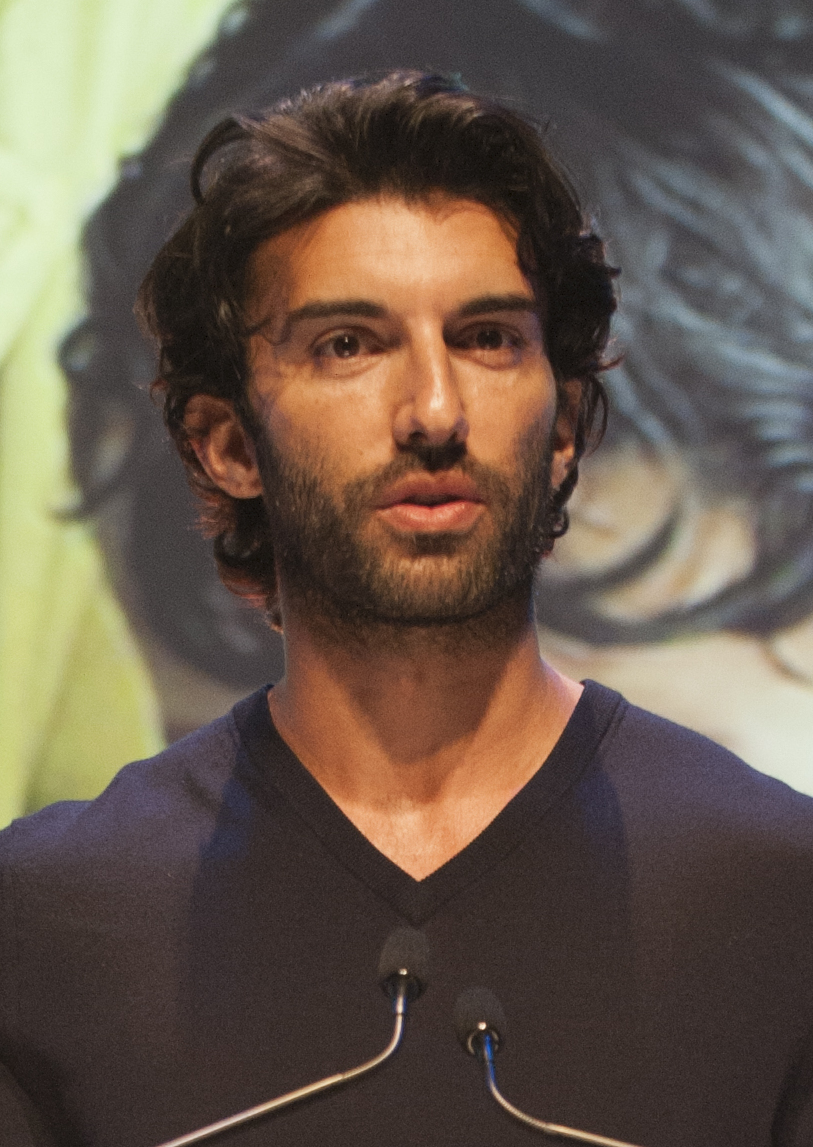
Man Enough and the 2025 podcast circuit (Gent’s Talk, Dr. Laura Berman’s Language of Love) are radio formatted for Spotify. Baldoni interviews about masculinity, fatherhood, imposter syndrome, and the year that ate his Google alerts. The DJ parallel is pacing: when to let a guest breathe, when to drop the provocative question, when to commercial-break the emotion before it becomes performance.
He told Gent’s Talk he carries stories about his father he had never aired publicly. Radio kids know that trick—intimacy at 40,000 watts without naming names until the ratings are safe. Podcasting is just FM with a longer tail and fewer request lines.
Style: top-40 optimism, cinematic slowdown, zero irony at the charity afterparty
Musically, Baldoni’s public taste skews mainstream uplift: pop hooks for carnivals, singer-songwriter tears for Clouds, rom-drama montage fodder for Five Feet Apart. He is not beat-matching techno at 3 a.m. He is sequencing hope—fast in the afternoon for families, four-on-the-floor when the sun drops on Skid Row, ballads when the camera needs your chin to wobble.
Interviews emphasize service, faith, and redefining manhood. The Bahá’í upbringing reads like a rider clause: show up, do good, do not trash the green room. DJs with egos the size of Medford cannot relate. DJs who have done hospital radio can.
Gossip, headlines, and the booth you cannot see on TMZ
Recent years buried the Kiss-FM kid under litigation weather: It Ends With Us, dueling complaints, a defamation suit dismissed, a settlement, and in July 2026 an Instagram video with his wife Emily asking for discernment after years of silence. None of that is DJ culture, except in one sense: when the whole world is shouting, the person who once held a fader knows the only power left is choosing when to speak into the mic.
Sidebar anecdotes pile up anyway. CBS executives flying into skid row because the actor “inspires us every day.” Friends from South Medford flown to premieres because loyalty outlasts format flips. A hamstring that rerouted a life from stadiums to studio monitors. Each story reinforces the same thesis: Baldoni’s booth was never about being the coolest selector in Oregon. It was about keeping the program going when the playlist is people.
What he says versus what purists hear
Baldoni describes his work as visibility, connection, and love without agenda—language that makes cynical club promoters roll their eyes until they notice the dance floor full. Purists hear “influencer with a PA.” Volunteers hear “the guy who remembered the DJ invoice.” Both are partially right.
He does not claim underground roots. He claims microphone roots. In an era when every actor launches a neon headphones brand, his origin story is refreshingly municipal: a teenager in Medford playing hits for drivers merging onto I-5, learning that entertainment is service with a backbeat.
Scoreboard
Born: 24 January 1984 (Los Angeles; raised Medford, Oregon).
First booth: Top-40 DJ, Kiss-FM / KIFS (107.5), Medford–Ashland.
Selector pivot: Music-video director; The Walk to Fame (Jason Derulo).
Programming at scale: Skid Row Carnival of Love—live DJs, dance-party finale.
Audio hosting: Man Enough and interview podcasts (2025–2026 circuit).
Film rhythm: Clouds and concert-driven cause events.
Style: Mainstream pop uplift; charity-night four-on-the-floor; talk-radio pacing.
Self-image: DJ as emcee for dignity, not clout.
If you want a DJ profile about ghost-producing for Ibiza closers, keep scrolling. If you want the guy who learned call letters before call sheets, who ends homelessness outreach with L.A.’s best DJs instead of a keynote, and who still treats the mic like a service position, Justin Baldoni has been on air since high school. The frequency changed. The job didn’t.