
Donald McKinley Glover Jr. was born on September 25, 1983, at Edwards Air Force Base and raised around Stone Mountain, Georgia, which is the kind of biography that usually ends with “and then he became famous for something else.” He did. Several times. Television. Film. Stand-up. A meme-grade music video that broke the internet’s posture. What gets lost in the highlight reel is the quieter, nerdier origin story: before the world insisted he pick a lane, he was already in the booth—under a name so aggressively literal it sounds like a MySpace password from 2006.
mcDJ is not a typo. It is the handle Glover used when he still thought the future was waveforms, not writers’ rooms. For a DJ profile, that matters more than another paragraph about Atlanta or another Emmy. The through-line is selection: what to play, what to warp, what to rap over, and how to make a room believe you authored the night even when you are clearly borrowing the scaffolding.
Illin-Noise and the sacred art of remixing someone holier than thou
In college at NYU’s Tisch School, while classmates were workshopping scenes about feelings, Glover was chopping up Illinois—Sufjan Stevens’ baroque state postcard—into Illin-Noise!, a full-album remix project released in 2005 under mcDJ. MetaFilter called it worth checking out; the internet called it a torrent with cover art; purists called it cheeky. All three were correct.
The project is peak “indie kid discovers Ableton and consequences ensue.” Stevens’ orchestral twee becomes hip-hop skits; titles mutate (“Chi-Town,” “Zombies,” “Jacksontown”). It is not a club weapon. It is a thesis: Glover learned early that DJing, in his hands, means recontextualize until the joke becomes a genre. He was not trying to be a superstar selector in a Brooklyn basement. He was trying to prove he could bend someone else’s sacred text into his own language without asking permission—a habit that would later fund entire mixtape eras.
KCRW and the Guest DJ confession booth
Years later, when NBC still owned his Tuesday nights on Community, Glover sat for KCRW’s Guest DJ Project and said the quiet part in a radio voice: he remixes, he DJs, he still produces “a little bit” as MC DJ, and the Stevens album was college homework that escaped the dorm. He also admitted his musical awakening involved a pizza place in Atlanta, friends, and Björk arriving like a UFO in a parking lot full of nü-metal.
That interview is a map. Björk changed everything. Sleigh Bells’ “A/B Machines” felt like the Beastie Boys when nobody sounded like that anymore. Translation for booth culture: Glover was never chasing the resident slot at Output. He was chasing texture—the moment a record makes you feel illegally young. DJs who only care about BPM miss why he cared about Sleigh Bells: it was novelty with teeth, and novelty is a renewable resource if you are brave enough to rap over it.
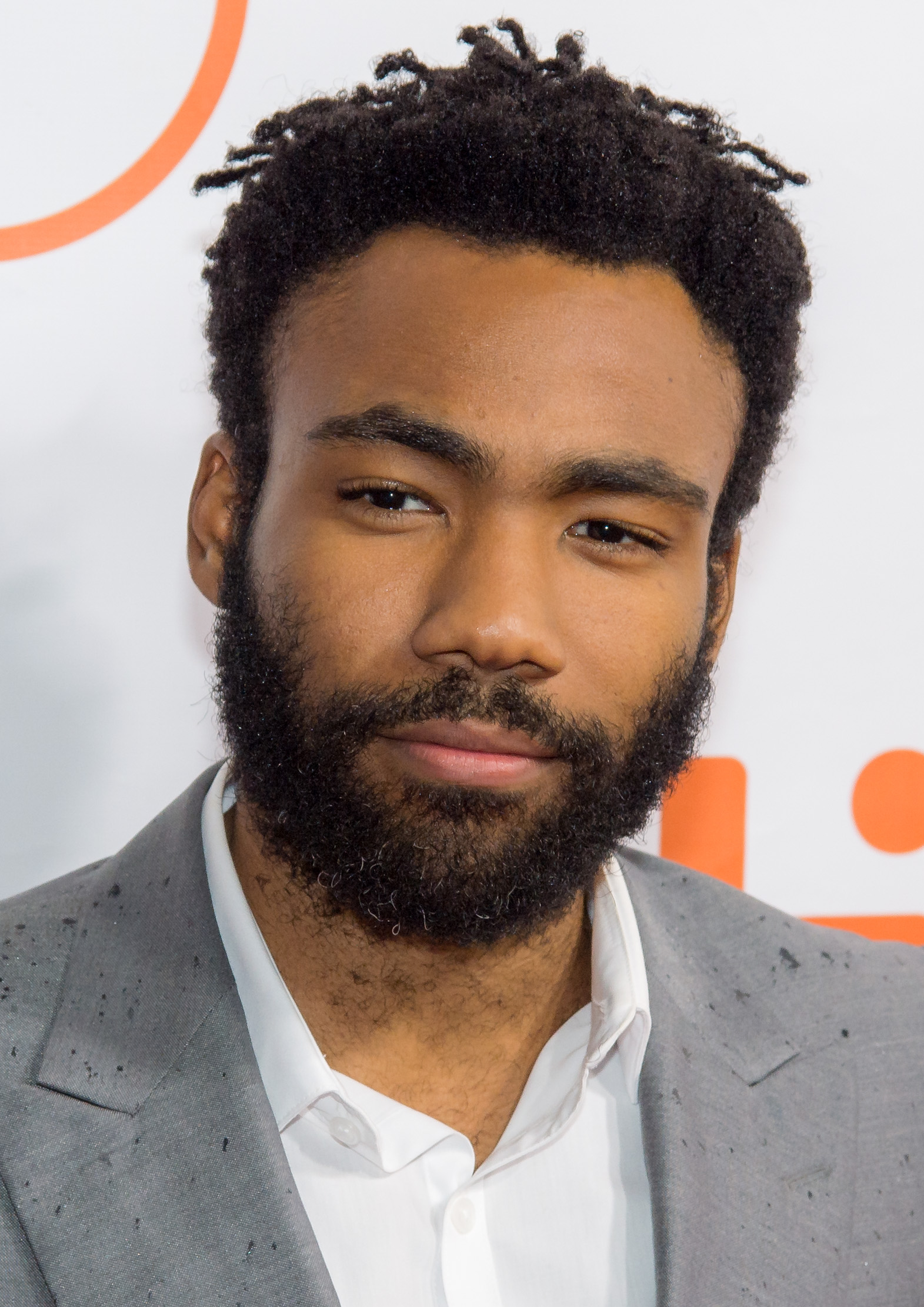
Childish Gambino as the world’s most overqualified warm-up DJ
Childish Gambino is the headliner name, but the early Gambino era behaved like a DJ set with verses. The I Am Just a Rapper mixtapes are the receipts: Glover rapping over indie and electronic instrumentals because the original tracks already did half the crowd work. It is the same logic as a nightclub selector playing an acapella-friendly dubplate, except the dubplate was Grizzly Bear and the club was Tumblr.
His production fingerprints—funk pivots, psychedelic soul, brittle laptop rap—show a mind that thinks in sets, not singles. Camp and Because the Internet are playlist brains in album suits. When he pivoted to Awaken, My Love!, critics acted shocked. Anyone who had watched him treat Stevens like clay should have seen it coming: the man does not respect your genre fence posts.
He has name-checked LCD Soundsystem in interviews and turned up in the crowd of their concert film era like a fan who also owns a DAW. You can hear the DFA-adjacent discipline in how he treats the live show: not “band plays songs,” but “energy curve with monologues.” That is DJ thinking wearing a guitarist’s costume.
Where he actually “DJ’d”: rooms, not residencies
Let us be honest about vocabulary. Glover is not hiding behind CDJs at Ibiza every summer. His booth history is collegiate remixes, radio guest spots, listening parties, and festival stages where he programs his own catalog like a desperate selector who also wrote the records.
July 2024’s Little Island listening party for Bando Stone & the New World was a DJ-adjacent ritual: fifteen tracks out of order, bass that threatened the speaker cabinets, Flo Milli in the front row, Steve Lacy plucking guitar while Glover sang soft. When the subs glitched, he came back to “melt faces” on “Yoshinoya”—which is exactly how a club DJ talks about redemption after a technical fault, except with more profanity and better bone structure.
The New World Tour that followed treated arenas like giant headphones: deep cuts resurrected (“Do Ya Like,” “L.E.S.,” “Freaks and Geeks”) beside new material, the setlist behaving like a three-hour SoundCloud set compressed into a narrative. Oklahoma City opening night in August 2024 was twenty-nine songs of proof that he still thinks like someone who might drop a remix at 2 a.m. if the crowd deserves it.
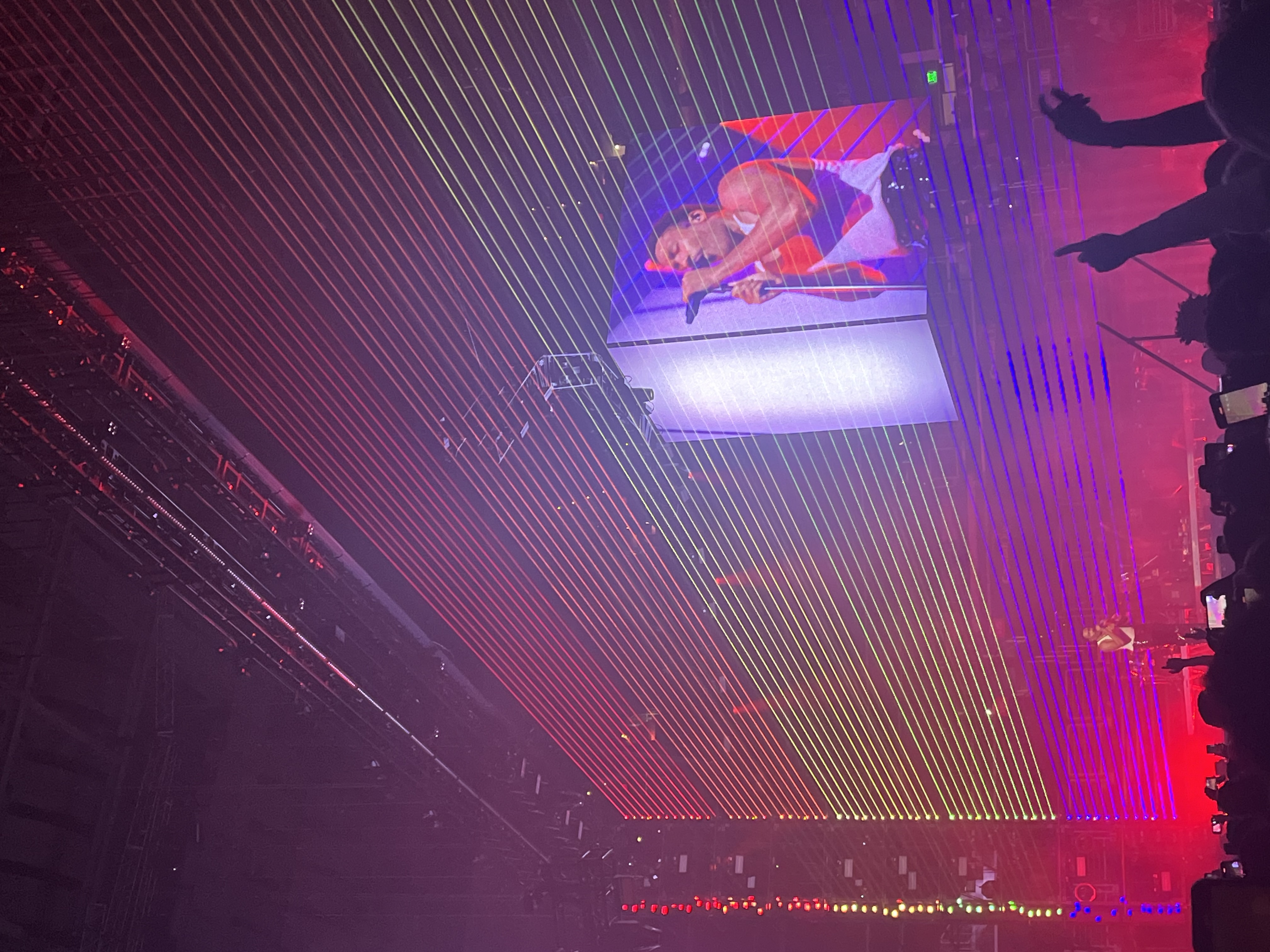
Camp Flog Gnaw 2025: the fan-voted hour, or democracy as DJ set
By November 2025, Gambino closed Tyler, the Creator’s Camp Flog Gnaw with a stunt that only a DJ brain would love: he let the audience vote on the setlist through a live portal, then tried to play the results in an hour. Reviews called it a sprint. He called time like a selector watching the bar lights flicker—cutting songs after a verse, mashing “Riot” into “No Excuses,” covering OutKast’s “Prototype” with Ludwig Göransson on stage, dropping a “Resonance” remix detour because the internet asked nicely.
That is not virtuoso mixing in the Carl Cox sense. It is programming under constraint, which is half of professional DJing anyway. The Needle Drop noted he genuinely wanted to honor every request even if it meant amputating choruses. Los Angeles Times framed it as his first big show after health scares that had curtailed the prior tour—a stroke on stage in Louisiana, surgery for a hole in his heart, the kind of plot twist that makes a retirement album feel less like marketing and more like paperwork.
Gossip sidebar: the fan vote included a “mystery cover,” deep cuts from mixtape adolescence, and the usual suspects (“Redbone,” “3005,” a abbreviated “This Is America” because irony also has a curfew). Tyler’s carnival is the right ecosystem: hip-hop, R&B, and kids who treat festivals like group chats. Glover fit because he DJ’s his own identity in public.
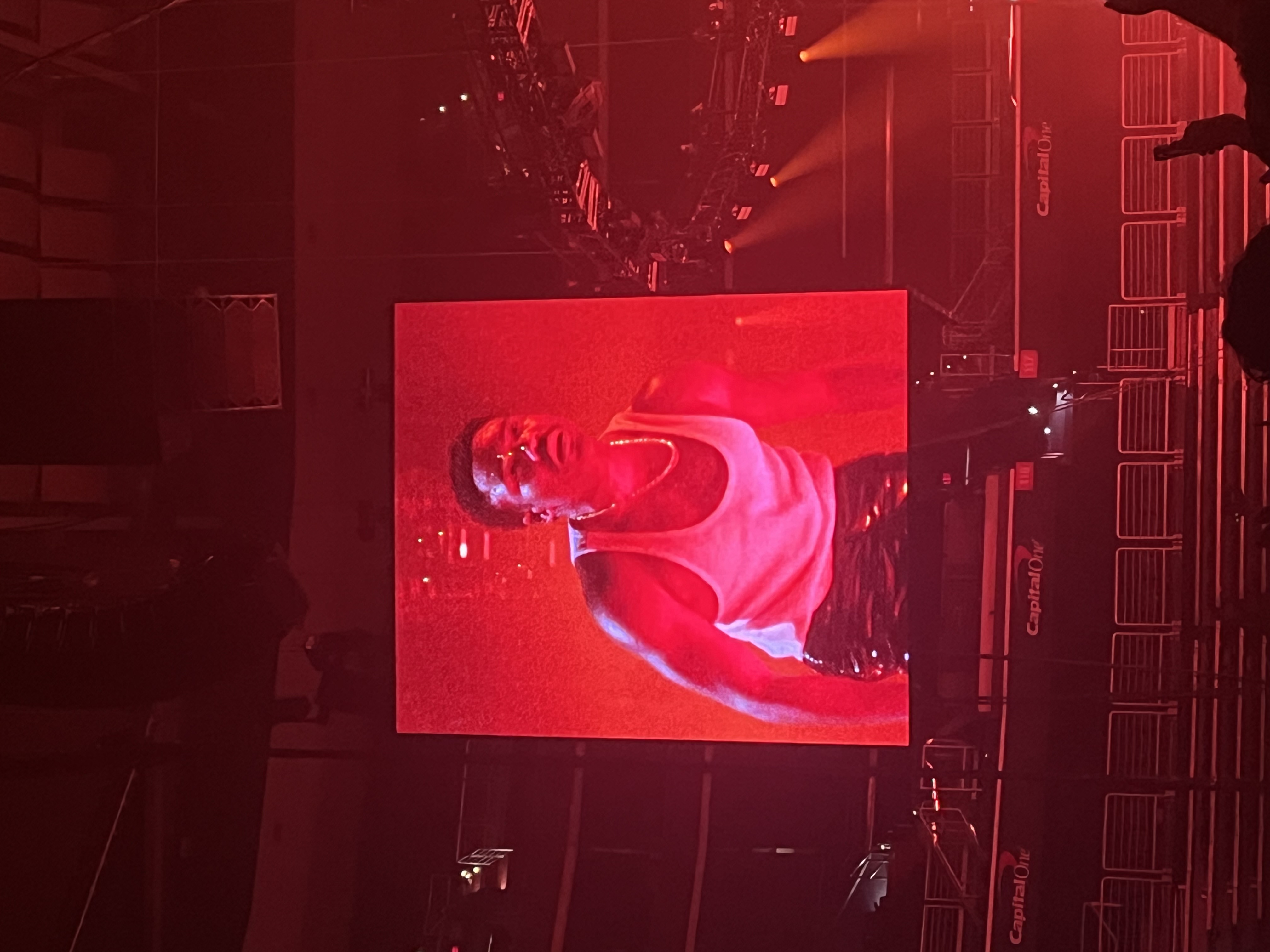
Style: curator-first, four-on-the-floor never
If you need a genre tag, try “alternative hip-hop with funk and psychedelic soul and whatever joke he is telling that week.” For booth purposes, translate that to wide BPM, narrow ego. He does not beat-match for sport. He sequences moods: comedy rap to falsetto funk to political thunderclap to bedroom R&B. The 2024–2025 farewell cycle for Childish Gambino—Atavista polishing the pandemic sketch album, Bando Stone as soundtrack to an unreleased film about a musician surviving the apocalypse—is Glover treating albums like crates. Pick a theme, empty it, rename the project, repeat.
He told interviewers Childish Gambino was always a character, like a boss from The Office who peaked a decade ago. Hot Ones, Zane Lowe, the New York Times—same sermon: the alias stopped feeding him. For DJ Follower readers, the interesting question is whether mcDJ resurfaces when the mask comes off. The Illin-Noise kid never disappeared; he just got better lighting.
What he says versus what crate-diggers hear
Glover insists he is not “just an actor who raps,” which is fair; he is an actor who also programs nights. Crate-diggers hear a mainstream artist borrowing indie credibility. Both are right. His DJ profile is the hybrid lane: remix albums in college, mixtapes built on other people’s beats, festival sets that behave like fan-curated playlists, listening parties that prioritize sub-bass over politeness.
He will not save vinyl culture. He might save the idea that a modern DJ can be a screenwriter with a USB stick and a grudge against predictability. If you want a purist who lives on one kick drum, scroll on. If you want the guy who turned a Sufjan record into a hip-hop syllabus and then let Camp Flog Gnaw run his set like a poll, he already took the aux—he just also owns the speakers.
Scoreboard
Born: 25 September 1983 (Edwards AFB / Stone Mountain, Georgia).
DJ alias: mcDJ (MC DJ).
Early booth work: Illin-Noise! (Sufjan Stevens remix album, 2005).
Selector era: I Am Just a Rapper mixtapes; indie/electronic instrumentals as foundation.
Radio: KCRW Guest DJ selections (Björk, Sleigh Bells, etc.).
Recent live programming: Little Island listening party (2024); New World Tour; Camp Flog Gnaw fan-voted set (2025).
Style: Curator-producer; genre-hopping sets; bass-forward listening parties.
Status: Childish Gambino retired as of Bando Stone & the New World (2024); mcDJ remains the ghost in the machine.
The booth was never his day job. It was his first language. Everything else—sitcoms, starships, satire—was dubbed in later. When he hands the crowd the setlist, he is not being humble. He is being a DJ who finally admitted the best playlist was never his alone.