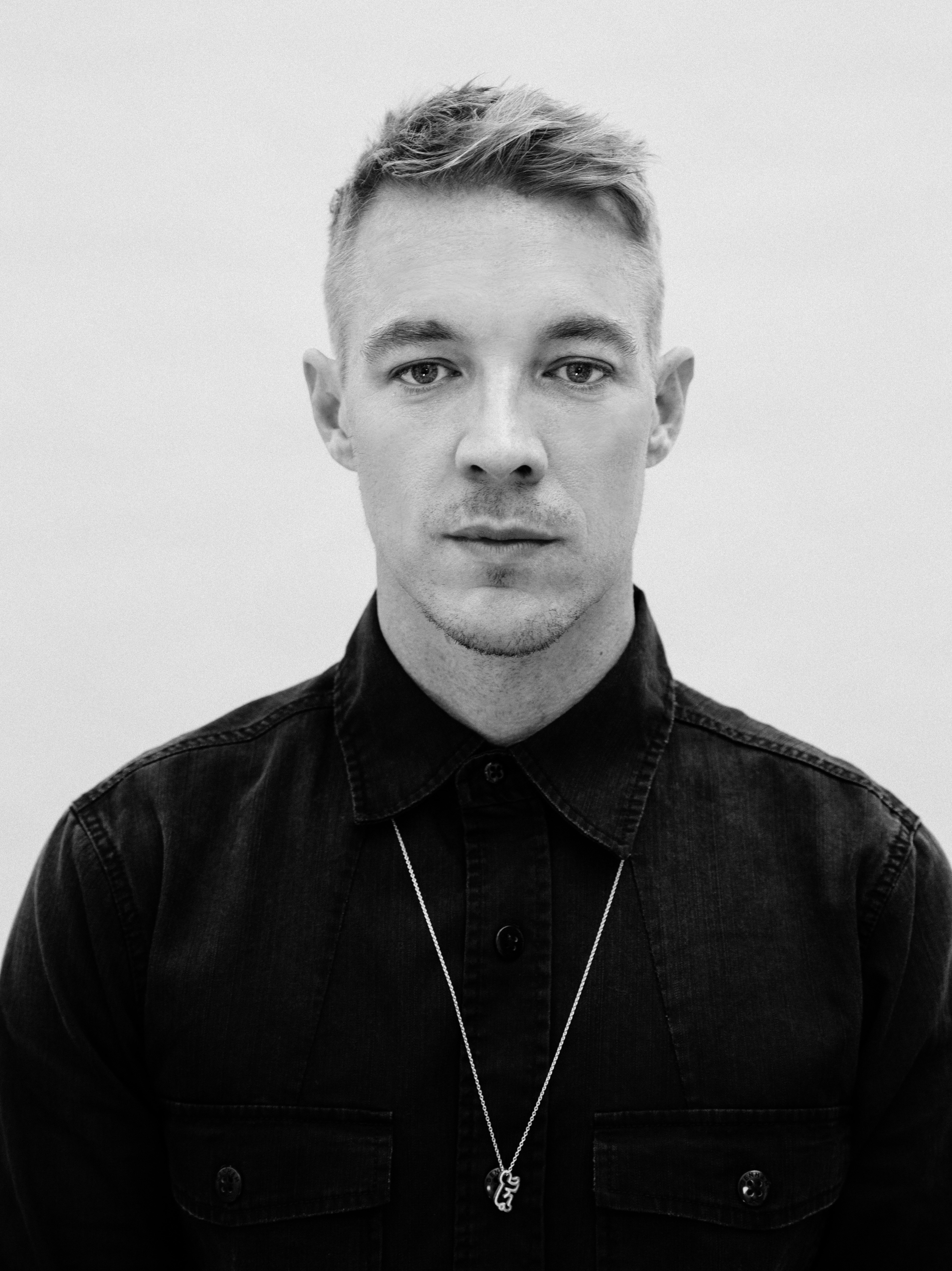
Thomas Wesley Pentz was born on November 10, 1978, in Tupelo, Mississippi, which is Elvis country and therefore a credible alibi for anyone who later insists the world owes them a stage. You know him as Diplo—a DJ in the passport-stamp sense: producer, label boss, meme merchant, and the guy who turned “global bass” from a blog category into a flight itinerary. For our purposes he is not a bedroom selector who learned to mix on YouTube. He is a career DJ in the twenty-first-century meaning: curate a lane, rent the lane to collaborators, play the lane at festivals until the lane has its own flag emoji.
Pun intended: Diplo does not have a residency so much as a visa. Hollertronix in Philadelphia, Mad Decent in your earbuds, Major Lazer on every beach, Jack Ü in every frat memory, and now a solo era spelled like a password you forgot: GYALGEBRA (2025). The booth is wherever the USB stick is. The brand travels lighter than the baggage allowance.
Hollertronix and Philly: before the passport
Before Mad Decent was a verb, Diplo was Wesley Pentz at the University of Central Florida, then Wesley in Philadelphia, digging crates and throwing parties with DJ Low Bee (Lowell Bryan). Their collaboration Hollertronix was named like a mixtape and behaved like one: Baltimore club, Miami bass, Southern rap, and whatever else could make a room sweat without pretending to be minimal techno. The 2003 mix Never Scared and the later Hollertronix Radio broadcasts were thesis statements: the DJ as archaeologist of regional rhythm, not a priest of four-on-the-floor purity.
Philly clubs and warehouse nights taught him the economics of DJing that Instagram later obscured. You build a rep by playing records other people have not imported yet. You keep the rep by leaving town before the trend curdles. Diplo left often. That restlessness is not a personality quirk; it is the business model.
Mad Decent: label as DJ booth
In 2006 he founded Mad Decent, initially as a way to release his own records and those of friends, then as a small empire of signings, remix culture, and the Diplo and Friends mix series on BBC Radio 1. A label head who still tours is a DJ who owns the publishing on half the drops in the set. Mad Decent gave the world Baauer’s “Harlem Shake” chaos, Dillon Francis comedy, and a roster that treated genre like a suggestion box. Critics called it eclectic; accountants called it diversified.
His on-air BBC slots were not morning drive in the Tony Blackburn sense. They were international crate dumps: an hour to prove you still listen harder than the audience dances. That is DJ credibility for producers who otherwise live inside DAWs: show the receipts.
Major Lazer: the festival DJ as cartoon general
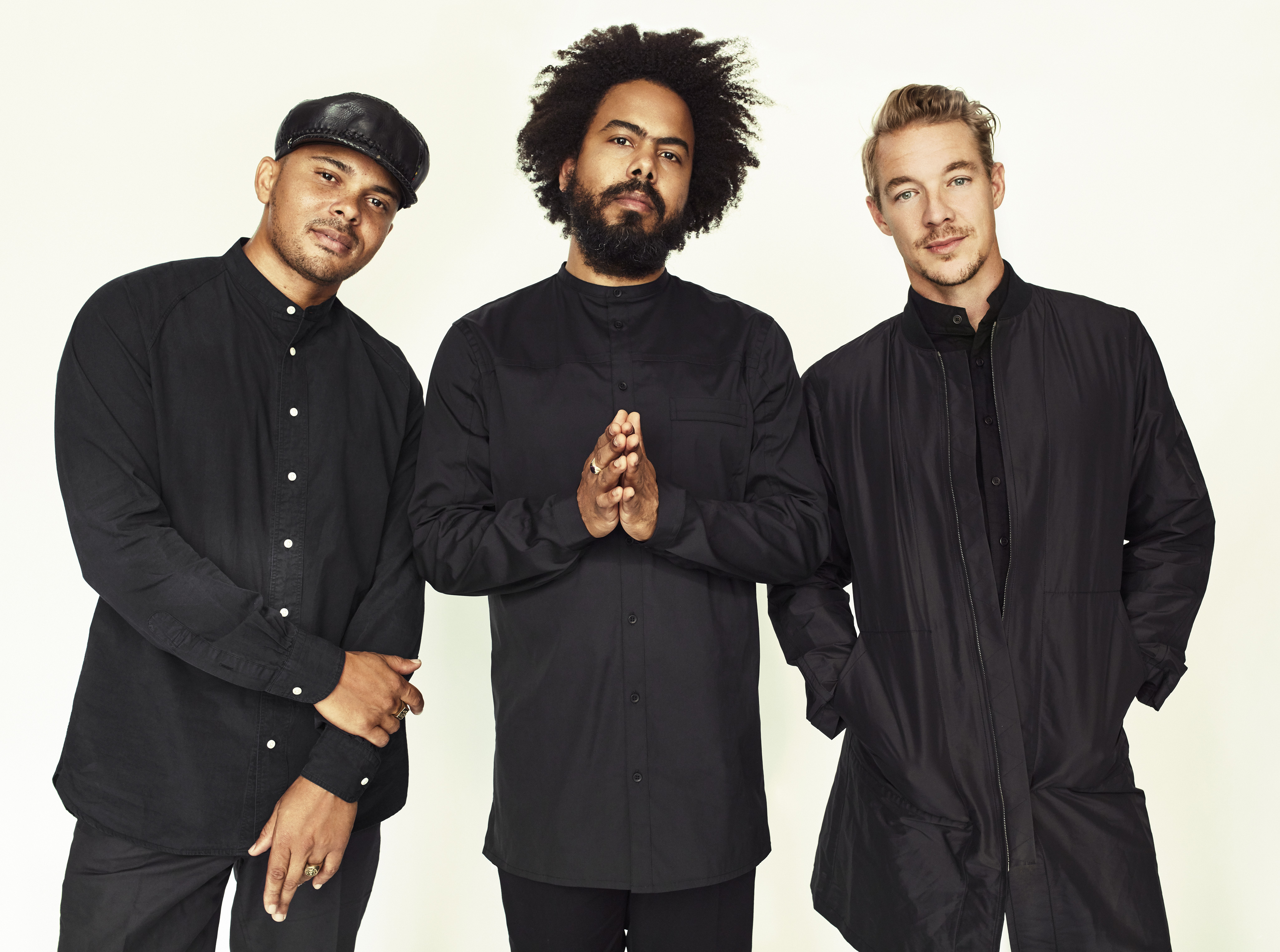
Major Lazer began as Diplo with Switch and later settled into the Diplo–Jillionaire–Walshy Fire triangle that most people actually remember. The group was never subtle: dancehall, soca, reggae fusion, and pop hooks welded for outdoor crowds who want drop, drop, flag, repeat. “Pon de Floor,” “Get Free,” “Lean On”—each a lesson in how festival DJing works when the DJ is also the writer. You are not reading the room; you built the room’s favorite chants in a studio months earlier.
Major Lazer turned Diplo into a mascot with a laser cannon aesthetic and a moral excuse to play Caribbean rhythm at Coachella without cosplaying as a purist. Purists complained; purists do not sell out stadium lawns. The live show became a template: guest vocalists, horn sections optional, BPM as diplomacy.
Jack Ü: when the DJ became a meme with Grammys
With Skrillex, Jack Ü was the 2010s answer to a question nobody sober asked: what if two producers who already owned their respective bro-demographics shared one USB and a Grammy? “Where Are Ü Now” with Justin Bieber proved that the festival circuit and Top 40 could share a babysitter. For DJ profile purposes, Jack Ü was Diplo accepting that his job description now included “make the pop star sound credible at the drop.” That is a different skill from beat-matching; it is A&R with a smoke machine.
Festival DJ: Coachella, Ultra, and the 2026 calendar
Diplo’s natural habitat is the main stage shoulder season: not quite underground, not quite legacy act, always available for a surprise guest slot. Trade press and fan forums treat his Coachella and Ultra Miami appearances in 2026 as inevitabilities rather than announcements—the man who played every continent expects to play every flagship festival again, often twice in one weekend if a collaborator needs a last-minute replacement.
Festival DJing here means open-format with a bias toward your own catalog and your friends’ catalogs. Diplo sets are notorious for hopscotch: reggaeton into hip-hop into a Mad Decent deep cut into a novelty edit that should not work and does because 40,000 people have collectively decided irony is cardio. He is judged on energy, not narrative arc. That offends vinyl monks. It delights sponsors.
GYALGEBRA and the America Foster / Jamaica studio thread
2025’s GYALGEBRA (styled like a glitchy password) is Diplo insisting he can still ship a solo identity while Major Lazer, country side quests, and TikTok churn compete for hours. The title alone is troll linguistics: dancehall spelling, algebra pun, search-engine sabotage. The album thread that journalists actually care about is geographic: sessions tied to America Foster and a Jamaica studio circuit that treats island rhythm as source code, not costume.
Diplo has spent his career navigating accusations of cultural tourism. His defense, repeated in interviews, is collaboration-first production: local writers, local vocalists, local engineers in the room when the room is not Los Angeles. Skeptics note the passport stamps still outnumber the co-writing credits on some tracks. Believers point to longevity in dancehall and soca spaces where one-off tourists get exposed fast. A DJ profile does not settle that trial. It notes that his recent singles behave like radio tests for the same argument: Can he still place a hook without a cartoon laser logo?
Recent singles and the selector’s dilemma
Recent output—collaborations with pop, Latin, and electronic partners, plus Mad Decent ecosystem drops—shows a DJ-producer trying to stay ahead of algorithm churn without abandoning festival bread and butter. The tension is familiar: underground credibility versus TikTok snippet. Diplo usually picks both and sleeps on the plane.
What he plays in club sets versus what he releases Monday morning can feel like two artists sharing a dentist. The club set rewards surprise edits; the single rewards Spotify playlist placement. He has managers for the second job and a hard drive for the first.
Gossip, anecdotes, and why purists still argue
The sidebar writes itself. There is the documented era of high-profile relationships that turned paparazzi into unofficial tour photographers. There is the social-media persona that alternates between self-aware clown and chaos goblin. There is the time a crowd somewhere learned he would play literally anything if the energy curve needed it—including genres he did not invent and will not claim to have invented.
Producer Twitter (whatever we call it now) still relitigates whether Diplo is a curator or a colonizer. Club promoters answer a simpler question: does he sell tickets? Yes. Does he show up? Usually. Does he bring a guest list longer than the bar tab? Always.
There is also the running joke that Diplo has more side projects than a contractor with untreated ADHD. Country experiments, ambient detours, children’s-book-level collaborations with pop stars who need a credible drop—each one a reminder that modern DJing for him is portfolio management. The turntable is sometimes literal; sometimes it is a laptop running a playlist he approved in pre-production. He is honest about that only when interviewers push; otherwise he lets the crowd assume athletic mixing because the energy curve is athletic.
America Foster, Jamaica, and the studio as travel hub
Journalists covering GYALGEBRA keep circling the same geography: writing camps and vocal sessions linked to America Foster and Jamaican studios where dancehall is not a sample pack but a working language. Diplo’s defenders cite repeated returns to the island—not a single vacation beat—as evidence he treats the studio like a residency even when the festival stage behaves like a one-night stand. Detractors note that passport stamps do not automatically grant cultural immunity. The DJ Follower compromise is dull but accurate: judge the set list and the credit block, not the Instagram caption alone.
That thread matters for how he DJs today. A Major Lazer set leans Caribbean by design; a solo Diplo club night may drift into hip-hop, Brazilian funk, or whatever edit went viral Tuesday. The Jamaica studio work anchors the Caribbean half so it does not feel entirely borrowed at 1 a.m. in Nevada.
Scoreboard
Birth name: Thomas Wesley Pentz (1978, Tupelo).
Philly roots: Hollertronix; regional club archaeology.
Label: Mad Decent; BBC Diplo and Friends.
Groups: Major Lazer; Jack Ü (with Skrillex).
2025 solo: GYALGEBRA; Jamaica / America Foster studio lore.
Festival home: Coachella, Ultra, global main stages (2026 cycle).
Style: Open-format, self-produced drops, guest-vocalist carnival.
Self-image: DJ as traveler; controversy as overhead.
If you want a profile about a man who learned one city’s bass scene and never stopped exporting it, Diplo is your case study. If you want a DJ who lives on one block and knows every B-side in the crate, keep walking. The booth is in Terminal C. The next flight boards in twenty minutes. The USB is already packed.