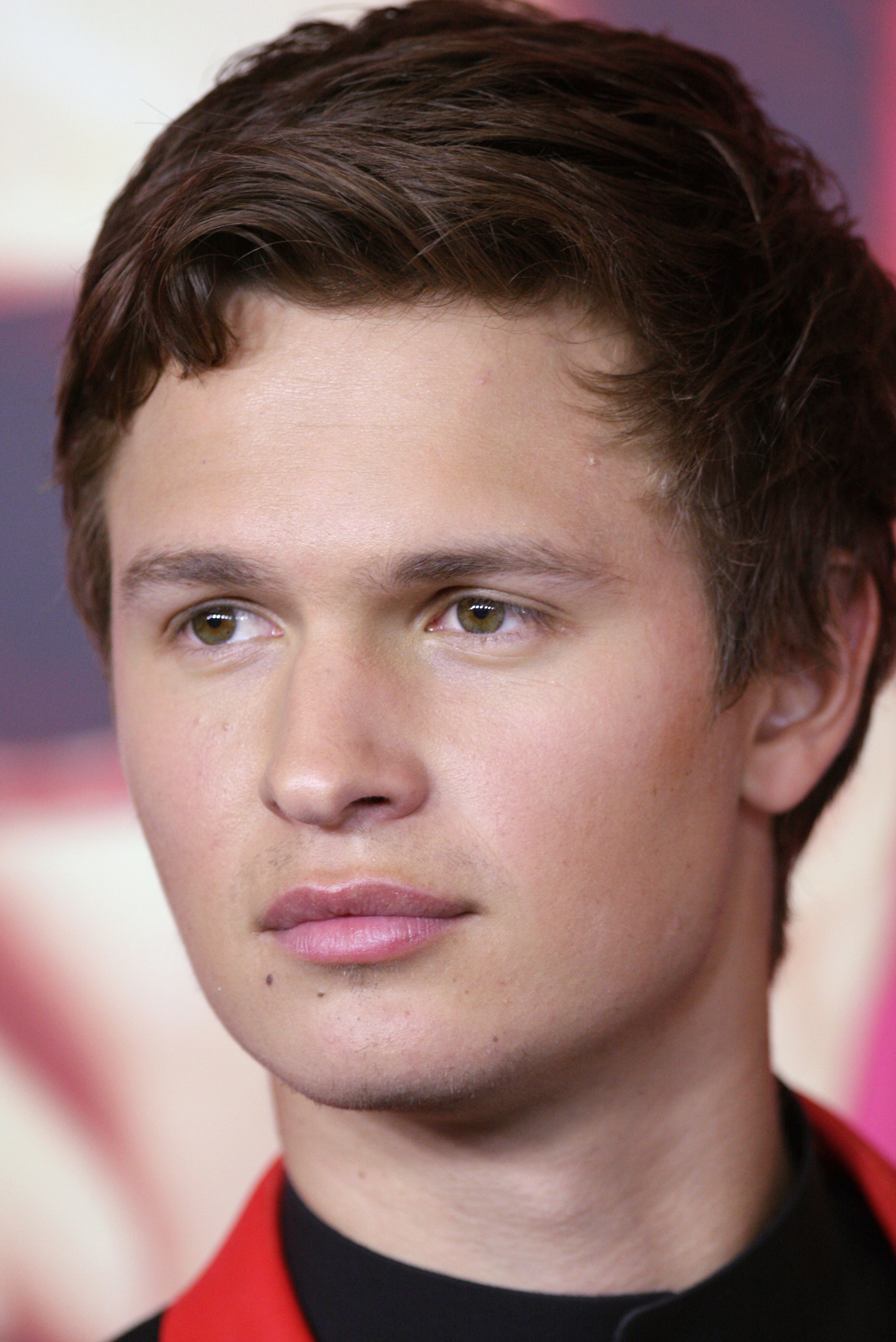
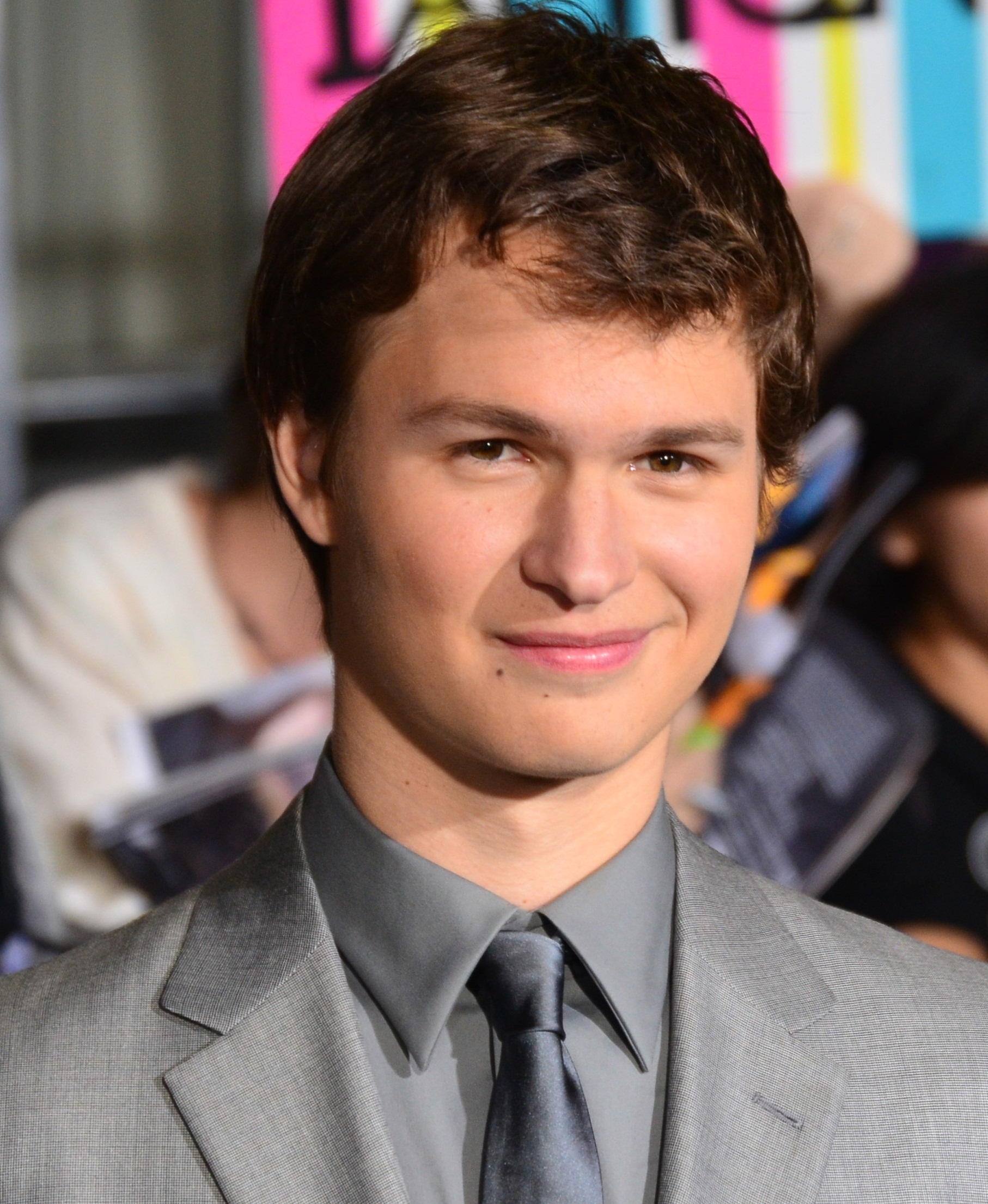
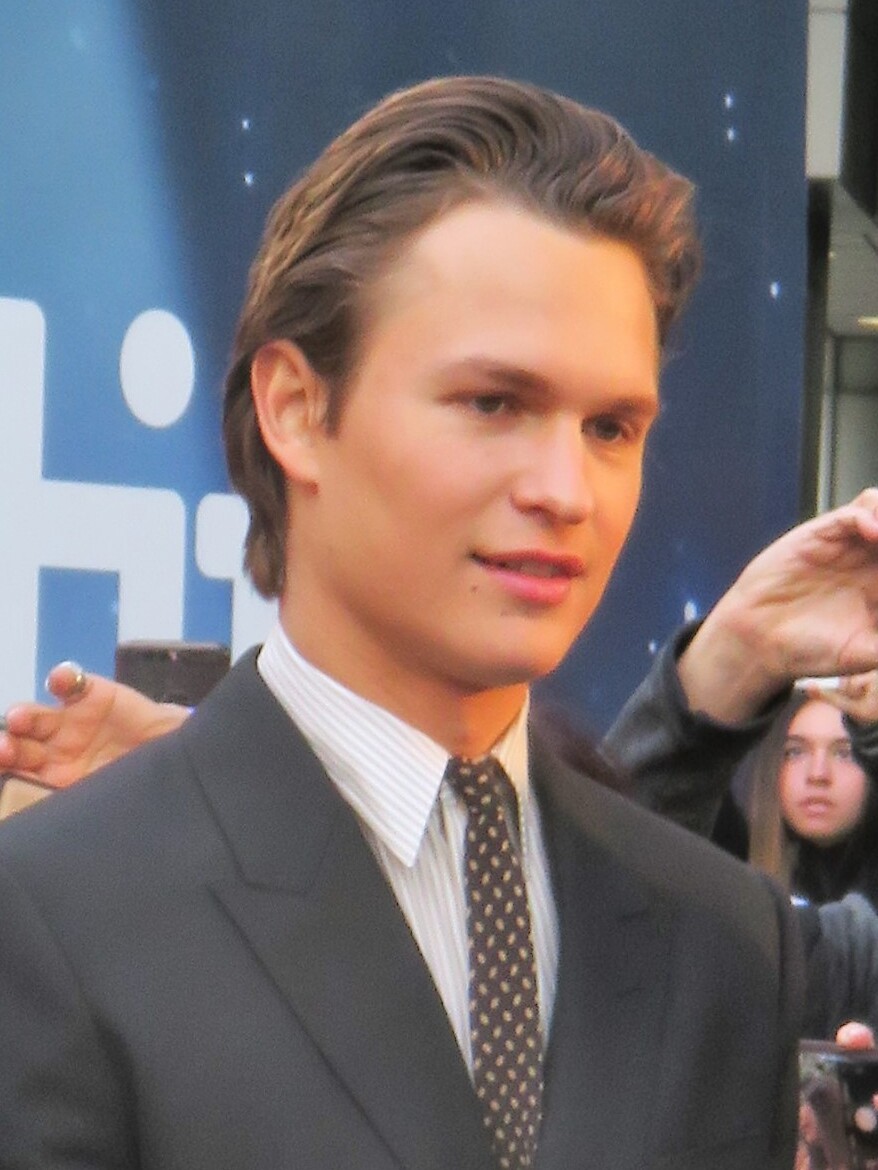
There are several ways to introduce Ansel Elgort. Actor. Singer. Former teenage heartthrob. Son of a famous fashion photographer. Manhattan art-school kid. The guy from The Fault in Our Stars. The guy from Baby Driver. The guy who apparently decided that being a successful young Hollywood actor was not enough and thought, quite reasonably, that what the world really needed was another DJ.
Except that Elgort’s DJ career was not quite the usual celebrity-DJ vanity project. He actually learned to produce music, released records, played serious electronic festivals, collaborated with established producers and maintained a SoundCloud presence under the wonderfully unnecessary alter ego Ansølo. And, crucially, he seemed genuinely offended by the suggestion that celebrity DJs might simply be attractive people standing behind expensive equipment while pressing play.
This is where things get interesting.
Elgort started DJing during his senior year of high school. A friend taught him how to use Traktor on a computer, and he played at parties for classmates. He says he became seriously interested in dance music at 18. His first attempt at a stage name was "Hanzolo", which a school friend immediately informed him was terrible. The friend suggested "Ansolo" instead. Elgort agreed. Thus, somewhere in New York, an adolescent branding disaster was narrowly avoided.
The name was not merely a joke. Ansolo developed into a real electronic-music project.
His SoundCloud page described him as a New York artist whose record "Unite" reached No. 5 on Beatport’s progressive charts, while "Totem", his collaboration with Tom Staar, reached No. 9 on the iTunes Dance chart and No. 3 on Beatport’s progressive-house chart. The account also listed support from an intimidating roll call of dance-music names, including Steve Angello, Nicky Romero, Afrojack, Tiësto, Hardwell, Above & Beyond and others.
This is not exactly the SoundCloud profile of a man uploading bedroom remixes at 3 a.m. and waiting for his cousins to press Like.
Elgort also played the main stage at Electric Zoo in 2014 and Ultra Miami in 2015. He opened shows for artists including the Chainsmokers and Nervo, and his friendship with Martin Garrix developed into both musical collaboration and genuine friendship.
Garrix provides one of the better anecdotes because he initially had no idea who Elgort actually was.
The two met at an electronic-music event in Amsterdam. Garrix had never seen any of Elgort’s movies. To him, Elgort was simply another guy in the dance-music world. Garrix later discovered that his new friend was, inconveniently, a famous actor. He recalled being surprised when Elgort walked into the DJ booth and started playing back-to-back with them. The two subsequently became close, exchanged what Garrix estimated to be roughly 200 ugly selfies, hung out in Brooklyn and played Pacha together.
It is difficult to imagine a more efficient way to discover someone’s celebrity status than uploading a photograph with him and suddenly receiving an avalanche of comments from people screaming about The Fault in Our Stars.
Elgort’s family was similarly accustomed to his tendency to perform whether or not anyone had requested entertainment.
His father, Arthur Elgort, is a celebrated fashion photographer. His mother, Grethe Barrett Holby, is an opera director. His siblings are also artists. His sister Sophie recalled that Ansel was always loud and theatrical as a child. When she and his brother Warren had friends over as teenagers, Ansel would apparently appear and announce that he was going to perform. He would sit at the piano and sing show tunes.
His brother’s friends were apparently not thrilled.
Ansel, naturally, did not care.
He taught himself "Don’t Stop Believin’" on the piano using YouTube and played it repeatedly. Eventually he took music lessons at the Mannes School. So the electronic-music career was not some completely random Hollywood detour. The child had been musically annoying his family for years before he acquired turntables.
The family’s attitude toward his music seems to have been considerably more supportive than the average sibling’s reaction to an aspiring DJ.
His father even turned up to watch him DJ at Pacha for his 21st birthday. Arthur was 74 at the time, sat directly opposite the DJ booth and watched the show. Elgort described the experience as amazing. One suspects this is not the standard father-son birthday activity in Manhattan, but then again, most fathers do not photograph Vogue covers for a living.
Elgort’s friendships were also deeply intertwined with music.
One of the most significant was the late DJ and producer Pierce Fulton. The two eventually became roommates in Brooklyn. Fulton recalled that Elgort had sent him music years earlier, before Elgort became a major movie star. They met through mutual connections, started hanging out and eventually moved in together. Their arrangement apparently involved the normal roommate luxuries of producing electronic music in adjacent spaces and wandering over for the other person’s opinion on a track.
This is probably the least Hollywood thing about Elgort’s music career. Rather than renting an enormous mansion and commissioning a team of Swedish producers to make him sound vaguely European, he was apparently sitting around Williamsburg asking another producer whether a track needed work.
Elgort has repeatedly insisted that the production side was the serious artistic part.
In one interview, he said he did not take the actual DJing particularly seriously because, to him, making the music was the real creative work. He described DJing as something fun that came along with producing. He also admitted that he loved playing records he had made himself and watching people dance to them.
That distinction matters because Elgort was unusually blunt about celebrity DJs.
Asked whether it annoyed him when celebrity DJs simply stood there, pressed play and waved their hands around, he essentially said yes. In his memorable formulation, DJing was easy, and someone who called themselves a DJ without producing was "doing fuck all."
This is not necessarily a universally accepted theory of DJing. Plenty of excellent DJs would disagree. But it does reveal what Elgort was trying to establish: he wanted credibility from the electronic-music community rather than merely borrowing its aesthetic.
He was particularly concerned about being dismissed as an "actor slash DJ."
In an interview with Martin Garrix, he described that possibility as his "biggest nightmare". He wanted people to take the music seriously because of the music, not because they recognized him from a movie poster.
That explains the curious split between his two identities.
For Ansel Elgort, one of the great moments of his acting career was presenting at the Oscars.
For Ansolo, it was hearing Steve Angello play "Totem" for the first time.
He said he cried.
And when Angello subsequently agreed to sign the track to his label, Elgort said he was "freaking out". For someone who already had Hollywood success, that reaction says something about where his musical ambitions were coming from. The approval he wanted was not necessarily from movie audiences. It was from the DJs whose records he had been listening to himself.
His taste was considerably broader than the stereotype of an EDM celebrity might suggest. He talked about Leonard Bernstein and George Gershwin, as well as Paul Newman and Marlon Brando. He had grown up around theater, dance and photography, and his musical interests wandered between electronic music, piano, musical theater, pop and older records.
Then came Baby Driver, which may have been the most perfectly engineered acting job imaginable for a person who had spent several years pretending he was primarily a DJ.
The film required Elgort to play a getaway driver whose life is organized around music. Director Edgar Wright ultimately used Elgort’s musical instincts as part of the casting process. During an audition, Wright asked whether Elgort knew a song so well that he knew every word, guitar lick and drum fill. Elgort chose "Easy" by the Commodores. He lip-synced it, and later said he believed that performance helped him land the role.
The irony is almost too neat.
Hollywood actor becomes DJ.
DJ becomes producer.
Producer becomes obsessed with musical credibility.
Then the actor gets cast in a movie where the entire character’s personality is communicated through music.
At this point, the universe was essentially producing a remix.
There are smaller details that make Elgort’s musical personality more entertaining than the usual celebrity biography. He once said that when traveling for DJ work, people made fun of him because he would turn up with only a change of clothes and his computer. He regarded that as sufficient luggage. Apparently the laptop was more important than trousers.
He also said that when he was not flying around for films, DJ sets or festivals, he liked returning to Brooklyn, seeing friends and walking around Williamsburg. He described that ordinary routine as essential for remaining grounded.
And then there is the dog.
In a 2017 Italian interview, Elgort said he had a dog in Brooklyn and credited the animal with encouraging him to walk rather than drive. He also said he listened to music through headphones while walking around New York and London.
So there you have the complete Elgort ecosystem: famous actor, DJ, producer, piano player, fashion-photographer’s son, opera-director’s son, Brooklyn resident, dog walker, electronic-music obsessive and occasional professional provider of "Don’t Stop Believin’" to unwilling family members.
There was even a period when he fantasized about turning his father’s studio into a bachelor pad, complete with a rotating bed and "Careless Whisper" playing as the soundtrack. He freely admitted that any woman confronted with this arrangement would probably think it was weird.
That may be the most useful summary of Ansel Elgort’s DJ career.
It was ambitious, occasionally ridiculous, surprisingly serious and conducted by somebody who seemed perfectly comfortable looking slightly ridiculous in pursuit of something he genuinely liked.
He was never simply the actor who occasionally played a DJ set.
For several years, he was the actor who desperately wanted the DJs to believe he was one of them.
And, judging from the records, festival appearances, SoundCloud releases, collaborations and friendships he built during the Ansolo period, they mostly did.