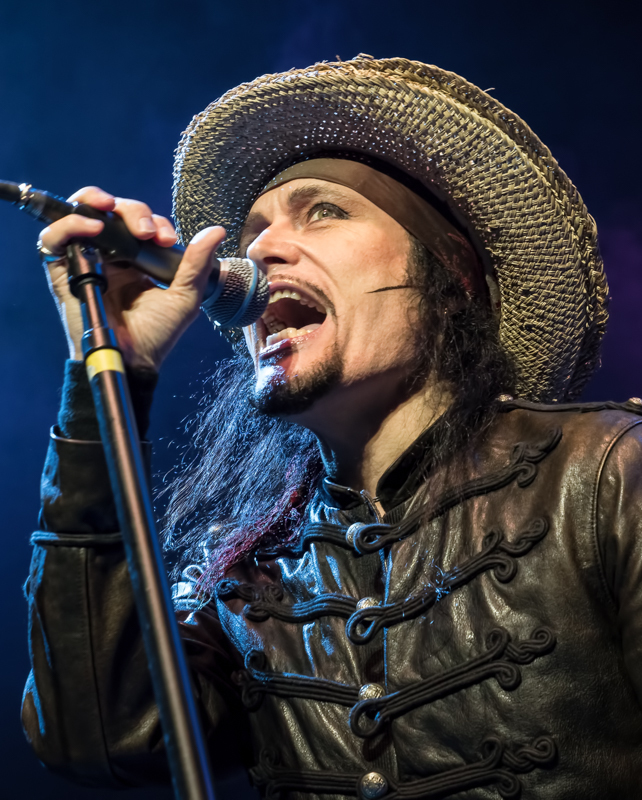
Stuart Leslie Goddard was born on 3 November 1954 in Marylebone, London, which explains the cheekbones and the lifelong suspicion that a waistcoat is a human right. You know him as Adam Ant, pirate king of the charts, survivor of the Blitz Kids’ dressing-room wars, and the only man who could make tribal face paint chart in a recession. Pop history files him under frontman. Club history should file him under curator: a guy who treats a set list like a radio show, a radio show like a manifesto, and a guest slot behind someone else’s faders like a homecoming.
He never held a Tuesday residency at Ministry (wrong tribe). He did something more eccentric for a star of his size: he actually showed up to DJ, on air and on the floor, with opinions about Kraftwerk and the nerve to drop his own dubplates between Lou Reed records.
Blitz ears: learning the booth without touching it
Before the Ants marched, Covent Garden’s Blitz club taught London how to pose while Rusty Egan spun Bowie, Roxy Music, Kraftwerk, and the electronic fringe that would become new romantic DNA. Adam was a regular in that ecosystem, not the nun fighting Boy George for mirror space, but close enough to absorb the lesson: the DJ is the editor of the night. Netflix documentaries and Classic Pop oral histories name-check him beside Steve Strange, Marilyn, and Spandau Ballet in the same breath as the coat-check drama. He took the soundtrack logic into his own band instead of the booth, which is why Kings of the Wild Frontier sounds like a club set where the drums got promoted to lead vocals.
His early punk years were live-wire performance (Bazooka Joe bass, Sex Pistols support gig at Saint Martin’s, the Ants born in the audience at Siouxsie at the Roxy). Malcolm McLaren poached his first studio band for Bow Wow Wow; Ant responded by hiring producers who understood rhythm science and a live lineup that could reproduce a DJ’s tension on stage. The DJ breakthrough was conceptual: two drummers, Burundi-inspired patterns, pirate metal as genre programming. He was selecting rhythms the way a good DJ selects records, except his turntables were human and filed under war paint.
When Stand and Deliver and Prince Charming owned British TV, he was still thinking like a programmer: B-sides as secret tracks, videos as interludes, US tours in 1982 and 1983 treated as multi-city residencies with the same careful arc each night. A knee injury in Cleveland paused the run; Motown 25 and Diana Ross duets filled the gap like a well-placed bridge track.
KROQ: when Los Angeles let him run the station
American alternative radio in the 1980s was a cult with excellent taste. KROQ in Pasadena let visiting British chaos agents host full shifts. Ant’s 31 May 1986 guest set (Rodney Bingenheimer’s world) came with a Richard Blade pre-show interview; fan archivists still trade the tapes like contraband semester abroad. The bigger documented marathon is 22 July 1989: an entire Saturday as guest DJ, promoting Manners & Physique, telling stories between tracks, dedicating Iggy Pop’s “Lust for Life” to a fan who wrote from a summer cabin (legend has it a listener in England randomly hit record and caught the birthday shout). That is DJ work with narrative mixing: song, anecdote, song, myth.
What did he play? Archival lists from his later Sirius stint show the spine of his taste: Dexys Midnight Runners, Modern Lovers, Kraftwerk, Lou Reed, Stray Cats, plus his own Antmusic, Goody Two Shoes, Stand and Deliver, Strip. Not obscure-for-obscure cred; pop literacy with teeth. He introduced each cut like a host who still believes the microphone is a sword.
SiriusXM First Wave and the weekend he owned channel 33
Satellite radio revived the guest-DJ tradition for aging new wavers who refuse to die in a nostalgia segment. SiriusXM’s First Wave invited Ant to guest DJ for a full weekend: his singles, his deep cuts, his crate-digger favorites, with spoken intros preserved on fan archives. It is the same job as KROQ, only the audience is nationwide and the pants optional. Official site promos in 2017 paired Richard Blade interviews with tour hype, but the selector mindset is older: Ant as programmer of the Anthems tours, choosing which hits earn the stage time.
BBC Radio 6 Music slots (including Stuart Maconie in 2012) extended the pattern: icon as guest curator, not just interviewee. He speaks well on air because he has been pretending the world is listening since 1980.
Club floor: Family Affair and the gun in your pocket
Not all his DJ moments were on radio. In April 2010 he guest DJ’d the Family Affair night in Shoreditch, London, and gave the club mix of “Gun in Your Pocket” its dancefloor baptism before the wider public heard it. The Sun and The Quietus both circled the same comeback era: guerrilla gigs, Illamasqua launch (Boy George on the decks, Ant on the mic), Union Chapel, the 100 Club, a pirate-metal extravaganza at the Scala. The through-line is a man testing records on real bodies before the label commits.
That is how working DJs behave. Pop stars usually skip the step and blame the producer. His early-2010s World Tour of London (100 Club, Scala, Madame Jojo’s) functioned the same way: short-notice rooms, no advance billing, testing how old warhorses breathe in tight spaces before the arena herd arrives. A DJ would call it soundcheck with stakes; Ant called it survival.
Antmusic 2024 to 2025: the live set as curated journey
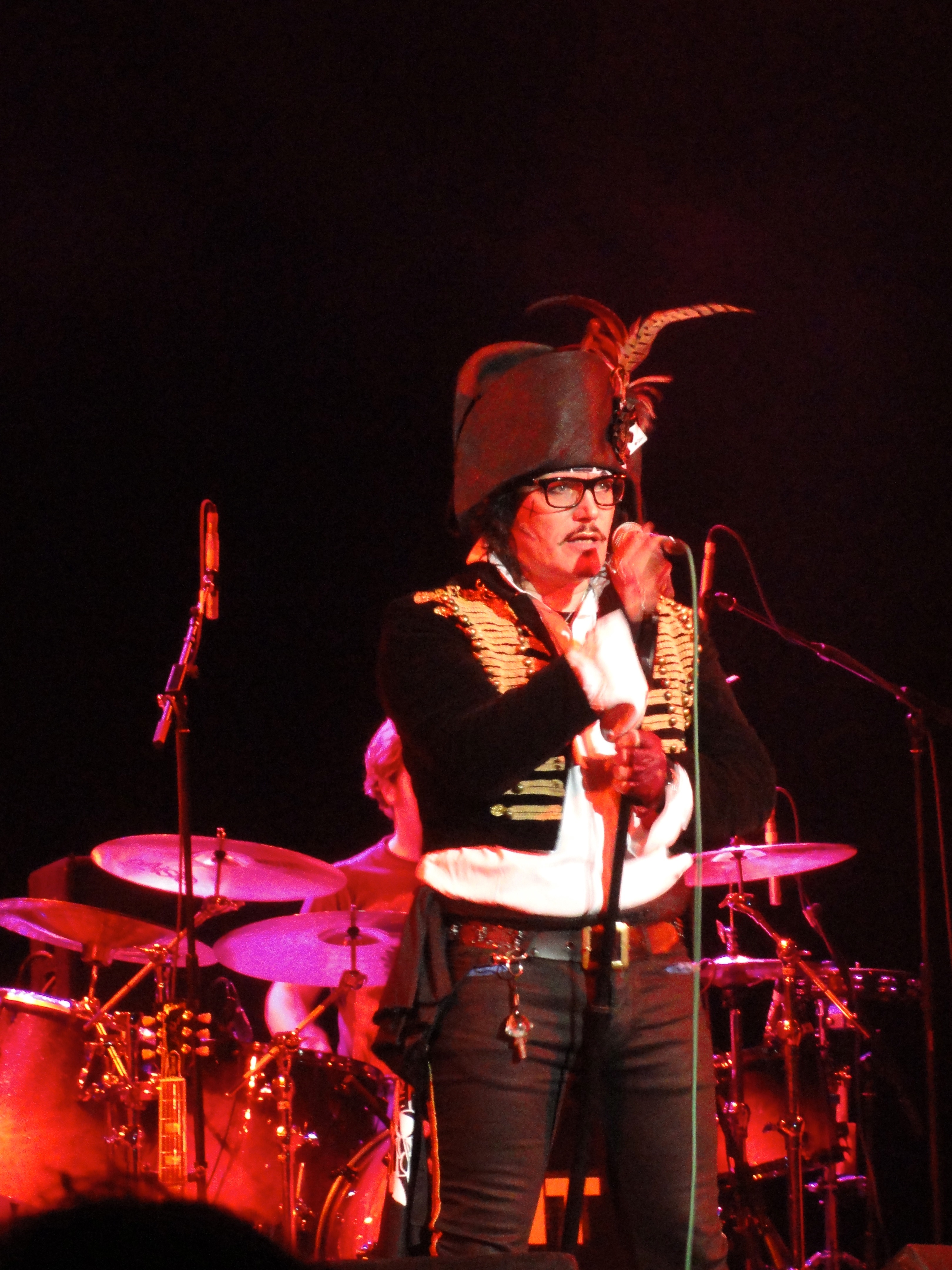
Recent years are concert tours, not Ibiza booths, but the job description overlaps. The Antmusic routing in 2024 crossed the U.S. (Eccles Theater, Salt Lake City, and other halls) with set lists that read like a carefully sequenced two-hour mix: Dog Eat Dog into Vive le Rock into Antmusic, deep cuts for the faithful (Zerox, Red Scab), arena sugar (Stand and Deliver, Goody Two Shoes). When illness hit in October 2024, the BBC reported six UK dates postponed in a week, Liverpool Philharmonic included, throat inflammation doing what decades of punk could not. He rescheduled for October and November 2025, added towns, and told Louder: “Performing live brings me such personal joy. I’m now feeling fine and dandy and very much looking forward to these new shows.” Brighton Dome, Bournemouth, Manchester Bridgewater Hall: same curator, healthier larynx.
Style on stage remains post-punk swagger slowed to mid-tempo menace, Burundi ghosts in the kick pattern, glam in the jacket. Encores still land like a well-timed reload: Stand and Deliver as the track everyone came to hear, preceded by twenty minutes of deep cuts that reward anyone who treated the support act as homework. Off stage he has been candid with Rolling Stone and the Guardian about bipolar disorder, overwork from 1980 to the mid-1990s without a day off, and the need to stop treating touring like a moral obligation. Burnout is an occupational hazard in both touring and club life; Ant learned the hard way that the booth does not care about your chart peak.
What he says about music (and ego)
He told the Guardian in 2012 that to be a pop star you need “sex, subversion, style and humour,” which is also a four-word crate tag. On bipolar creativity he has argued songwriters must visit dark places or the work goes flat, while insisting mental health deserves daylight. BBC interviews from his comeback decade framed rehabilitation as equal to chart glory: normal enough to record, sane enough to face a room.
None of that replaces the booth fantasy. Ant’s DJ career is scattered but real: KROQ marathons, Sirius weekends, Shoreditch club tests, a lifetime of sequencing records for drummers instead of turntables. If you want a silent selector who pretends not to know the words to his own chorus, hire someone else. If you want the dandy who once made an entire generation march to tribal drums and still drops Kraftwerk between confessions on American radio, he is only partly retired. The Antmusic tour bus is the booth now. Stand and deliver the ticket.
Quick facts
Born: 3 November 1954 (London; Stuart Leslie Goddard).
Club era: Blitz regular; shaped by Rusty Egan’s DJ sets.
Radio DJ: KROQ guest shifts (notably 31 May 1986, 22 July 1989); SiriusXM First Wave guest DJ weekend.
Club DJ: Family Affair, Shoreditch (2010, tested “Gun in Your Pocket”).
Sound: Post-punk, new wave, Burundi-influenced tribal drums, glam pop hooks.
Recent live: Antmusic tours (2024 U.S., 2025 UK after illness postponement).
Quote: “Performing live brings me such personal joy” (2024 reschedule statement).